jueves, 11 de julio de 2019

LEARNINGAPPS AND MULTIMODALITY APPS


Good morning!

We started the day yesterday taking a look to learningapps.org and exploring it a little bit. This website allows you to create interactive activities for your students. Valerie, the teacher, provided us with an account so we can take a look how it works. We started with a link to a text talking about Malta’s food tradition. After reading the text, we had like a hang-man game, with the vocabulary we had learned from the text.


Next activity is about Maltese language. This comes from Arabic but it’s not exactly Arabic. We learnt some important facts about Maltese people with a YouTube video and then answered a small quiz with questions regarding the video. Last activity in this platform consists on a brief timeline about Maltese history. We had to match some important events with the years they happened.

After the exploring, we went into create new apps for our own use. We needed to create an account different from the students’ account the teacher provided, so we can deal as teachers with the website and invite our own students (this functionality is not allowed as a student) The variety of apps we can create is huge. You have near 50 types of activities, including: Matching pairs, Group assignment, Number line, Simple order, Free text input, Matching pairs on images, Multiple-choice Quiz, Cloze test, etc…they will be very useful for me during the school year.

After lesson we visited the three cities. It was very nice to know this area because it’s not so full of tourism and you can feel real Maltese city. We walked around Birgu and Kalkara and had a bath in a sandy beach called Rinella. Sunset was beautiful from here.

Next day (Thursday), we have started the lesson taking a look to multimodality apps. We try some webs regarding these multimodality apps. This approach can be a powerful motivator. It adds variety and interactive tools to engage students. The one we spend more time in is called Voki. It has different features and avatars to present the information to students. Unluckily this app is not completely free. You can use a few features in the free version, but to access full functionality, you need to pay a fee. Basically these avatars can talk whatever text you insert them. Their slogan is “Educate, enjoy, engage”

We spend some time trying Voki. We discovered as well some tool windows has called snipping tool, useful to copy images from websites and apps. After that we move on to different useful apps, like Imgur (Social App with a lot of funny images and memes), Hexatar (creating pictures with avatars), 


Wordart (this app help you creating word clouds, very useful). We spend time trying all the features these apps offer us.  
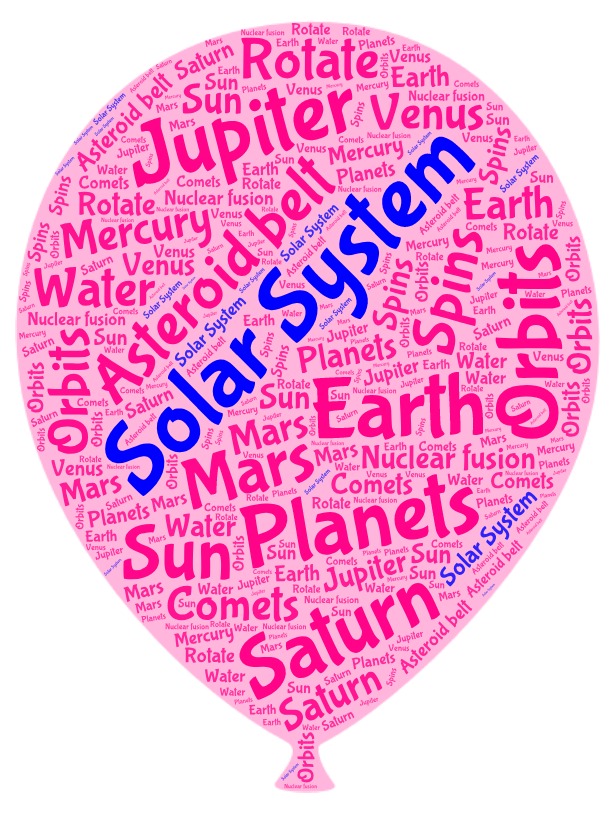
After the break we continue discovering more useful apps for teachers:

Google drawing. Good for diagrams and drawings

Go Conqur. This App allows you to create a lot of different visual help: diagrams, Mind Maps, notes, quizzes …

We are going to finish the lesson exploring the Go Conqur features and adobe spark. After that, will spend some time working with all the new apps and trying to create useful material for our Webquest Unit so it can get very interactive. After the lesson, we plan to visit Mdina, a very old medieval city in Malta. Goodbye!

After today’s lesson, we are going to go to visit Mdina, a beautiful medieval city in Malta. It used to be the capital until Valletta grew and took its place. I will tell you more about this trip tomorrow. Facing our last lesson, and last days in Malta! Goodbye

martes, 9 de julio de 2019

CLILSTORE AND VISIT TO VALLETTA


Hello everyone!

Today we continued elaborating our Webquest. Before of starting working in groups with our “real” Unit, the one we have to complete as a project, we started to try some features of Clilstore.


We began with the title features, linking videos and images, linking links to external websites, etc…We have to learn some tricks as the website is a bit old fashioned, but the creators are trying to upgrade it soon, teacher Valerie said.

After that, we learn how to upload material from our own, like pdf, word and activities in general. Remind all inside the Webquest will be wordlinked (you can click all words and get a dictionary definition – Scaffolding for students) A lot of ideas about uses of all this new techniques come to our minds, and we share it in group. After the break, we spend the rest of the lesson working on our team project. We brainstorm the main features our unit will have. We divide some work later among pairs and start developing the welcome section.


After the lesson, I have visited Valletta with the school excursion. It was really nice, a good walking around the city with very interesting explanations from Mario, our guide. We have known more about Malta's past, and we even bumped into the prime minister at the door of the Parliament! We were walking around different monuments and old buildings. We finished the tour with the Malta audiovisual experience, a movie in a big screen about Malta’s very interesting history.


Bye bye!


lunes, 8 de julio de 2019

IT SKILLS AND WEBQUESTS

Good afternoon!

Today we started the second week of course after a busy weekend visiting some interesting places of Malta. On Saturday I visited Golden bay and yesterday I went to Comino and Gozo Islands. You have to use a boat and to navigate around turquoise waters full of fish was fantastic. We did some snorkelling as well and Malta is full of sea life!

Back to CLIL, we have started with new teacher today, and 2 more students joint us. They are from Slovakia.  We started the classroom with introductions and some talking about CLIL and IT skills we would need to improve our lessons. We had small review about last week and were doing some activities to refresh our memories after the weekend.

After that, the teacher explained to us this week we would be working on different aspects, but specially in IT tools. One of the most important and complete ones are Webquests. They are special format lessons in which part or all the info comes from the internet. The teacher showed us some examples about webquests and we started to think how to develop a webquest.

We formed groups to work together and I joined the "Science" group. We are going to work creating together a webquest about healthy food, chemicals you need to grow healthy and "bad" chemicals you better avoid to keep a nice balance in your body. We will make it a bit funnier by mixing with some vampire game to engage students. We will continue tomorrow with it.

Apart from that, we have been learning some useful resources to work with in class. We have been working with Wordlink. This tool allows you to insert a text and then every single word of the text can be clicked and a dictionary opens to explain the word. It's very useful and time-saving because you can click every single word of the text and get a quickly explanation about it. You can change among different online dictionaries in case you don't like some results from a particular dictionary.


We have been using as well clilstore. This website is very useful because it contains a lot of CLIL lesson plans and units so you can get a lot of materials and ideas to use later during the year. You can link a webquest text with Wordlink too. We will continue tomorrow with more web resources.


Buenas tardes! 

Hoy hemos empezado nuestra segunda semana de curso después de un fin de semana ajetreado. Vistamos algunos lugares interesantes de Malta. El sábado fuimos a una famosa playa de arena dorada llamada “Golden bay” y pasamos el día tomando el sol y disfrutando de sus aguas cristalinas. El domingo viajé en barco a Comino y Gozo, islas al norte de Malta. El viaje en barco fue muy bonito y el snorkel en estos lugares es increíble gracias a la cantidad de peces y vida marina que encuentras.

De vuelta en el curso de CLIL, hemos empezado con una nueva profesora que se va a encargar de la parte de recursos IT y web. Se han unido al grupo dos estudiantes de Eslovaquia. Comenzamos la clase con las habituales presentaciones y hablando sobre algunos conceptos generales de CLIL. Esto nos sirvió como resumen de la semana pasada. También realizamos algunas actividades para refrescar la memoria.

A continuación, la profesora nos explicó que durante la semana trabajaremos en diferentes ámbitos, pero siempre centrados en herramientas y aplicaciones web que nos ayuden en el diseño de nuestras lecciones CLIL. Introdujo el concepto de Webquest: son lecciones CLIL online en las que mucha o toda la información la deben recabar los alumnos de internet con algunas ayudas e indicaciones del profesor. Después la profesora nos pidió formar grupos ya que cada grupo debe desarrollar un proyecto y crear una Webquest.

Decidí unirme por afinidad al grupo de ciencias y estuvimos charlando sobre la temática y contenidos que queremos introducir en nuestra Webquest; comenzamos con la introducción y dando forma a algunas ideas. Nos decidimos por la comida saludable y los químicos necesarios para la vida, así como aquellos que pueden resultar perjudiciales en exceso. Se introducirá la temática de vampiros para tratar de enganchar un poco a los alumnos. 


Después trabajamos con dos herramientas muy útiles en nuestras clases CLIL: Por un lado, el Wordlink, una web que nos permite asociar cualquier texto con hipervínculos a cada palabra para que con un solo click nos salga su definición por varios diccionarios online. Por otro lado, conocimos CLILstore, un proyecto en el que profesores de toda Europa crean Webquests y las suben a Internet. De esta manera podemos obtener materiales e inspirarnos para crear los nuestros propios. Hay muchísimos ejemplos. Mañana continuaremos trabajando en el proyecto y descubriendo más recursos que nos resulten útiles. Hasta mañana! 


viernes, 5 de julio de 2019

EVALUATION AND END OF THE WEEK

Hello everyone!

Today's lesson was the last one of the CLIL section. Next Monday we'll start analysing ICT tools and web resources. We started the lesson with a review of Gardner's multiple intelligence theory. It was good to check most of teachers are aware of it and use it in class. We are not 100% focused on one, but a mix of all them: Logical-mathematical, Linguistic, Bodily-kinesthesic, Spatial, Intrapersonal, Interpersonal, Musical and Naturalist.

Apart from our students, we have to take into account we will need to assess ourselves to check if we are not going too much into our preferred intelligence. Maybe we are too numeric, or too linguistic-based, so better to wide our vision.

After that we talk about another important topic: Evaluation. Some questions raised: What do we assess, content, language or both? In what language should I assess? Then Lorenza, our teacher, introduces the Rubric concept. We discuss about it. Most of us use them already but it's always good to know more examples and ideas about them.

We finish the lesson working ninety minutes on our CLIL lesson project. In my case, we complete the diagram about bones and work on some big poster summarising the different CLIL strategies we have been learning this week.


Each group expose their "ideal CLIL lesson" to the rest and the teacher asked us some feedback about ¡ how was the course, good things and things to improve.


We kindly say goodbye to each other. Now is time to enjoy the weekend. See you next week!


Hola a todos,

La clase de hoy fue la última con temática de CLIL, ya que el próximo lunes empezamos el bloque de IT y recursos web que completará la formación. Empezamos la clase con las inteligencias múltiples de Gardner. Estuvimos tratando el tema y comprobamos que la mayor parte de profesores ya lo teníamos en cuenta en nuestras clases. Nadie es 100 % de un tipo, si no que somos combinaciones de todas ellas.

También comentamos que aparte de utilizarlas para el análisis de nuestros estudiantes y para reforzar su auto estima, deberíamos tenerlas en cuenta desde el punto de vista de analizarnos a nosotros mismos.

Después de esa parte estuvimos debatiendo sobre la evaluación. Hicimos alguna actividad y discutimos diferentes métodos para evaluar. Entonces surgió el concepto de rúbrica, que fue ampliamente tratado y del cual la profesora nos entregó muchos ejemplos fotocopiados.
Por últimos nos dedicamos a trabajar en nuestro proyecto de clase de CLIL, en mi caso el grupo trataba temas de huesos para un nivel de 12-13 años. Dedicamos 90 minutos a realizar un poster y terminar de perfilar algunas ideas sobre andamiaje y estímulo de los procesos de razonamiento y finalmente cada grupo expuso su trabajo. Después de las exposiciones comentamos aspectos concretos y generales del curso, pidiéndonos Lorenza un pequeño feedback sobre los contenidos y cosas buenas y malas del curso.


Una vez terminado el curso nos despedimos hasta la semana que viene. Ahora a disfrutar del fin de semana. Hasta luego!  


jueves, 4 de julio de 2019

MORE CLIL COMPONENTS: COMPETENCE AND CULTURE. SCAFFOLDING


Good afternoon!

It’s 4th of July and yesterday was third day of the CLIL course. Our teacher, Lorenza, explained to us some more ideas about CLIL components: Competence and culture. We were debating a bit with these concepts and spoken about CLIL as a learner’s based experience. We were practising some more ideas to create activities, like Jigsaw a text. This means to divide it into pieces (A, B, C) and then you hand each piece to one student. They have to read their part and then they become “experts” on that topic. They chat later with same text students (AAA, BBB and CCC). Then they have to explain to the others their bit and try to make them understand what it was about (ABC). It’s a good way to make students talk and share experiences.


Then we were talking about the importance of community and inclusion of the cultural dimension on our class. We exposed different opinions about it and told ideas and situations we had in our countries. We all agreed including cultural aspects and have cultural awareness in our CLIC lessons is essential.

After that, we were exposing the different collaborative instruments we all have in our schools regarding the community and other countries/regions. We talked about exchanges, Erasmus projects, importance of parents, families and council and other ways to get more people into the school. The more the school is open to the society, the better.  

Finishing the lesson, we made some activities to explore the competence dimension, how to do it versus theoretical knowledge, and some ideas about self-assessment of the competence, both for students and for teachers. 

After class, I went to La Valletta to visit and it was very nice to see the city, narrow streets with charm. I wanted to visit as well the 3 cities but run out of time, so will try to go during the weekend.


Today’s lesson was 4th of the CLIL course, and focused on Scaffolding techniques and ideas to do it. We were doing a brief review at the beginning about former lessons.


We started with more activities and analysis of the Grammar spots. One quite interesting activity was to get a text and divide it into 2 pieces. Each piece would have hidden words, just the opposite than the other text. Then the students have to work in pairs, reading the part they have. The other student will try to understand and fill the gaps. They change reading every few words as they find the gaps. It's very interactive and good for chatting and reading. They can also help each other at a language level while assimilating the contents of the subject.

The Scaffolding topic was central during today's lesson. How to reinforce the content you are teaching from the language level. So you need to use a lot of activities that support all this new vocabulary. We talked about all these options we have and did some ourselves and later discuss them from a methodological point of view. 

Later we talked about  Internet tools we could use to get materials and ideas. They were as well social platforms to exchange ideas among schools and teachers. Some famous ones are CLIL4u, Wordlink, BiteSize and BBC learning English, but there are a lot more so I will be using a lot of them next term in the classroom. 


We finished the lesson watching some CLIL experiences over Europe in video and working on our project regarding the CLIL Lesson planning. We were thinking some scaffolding activities that could suit our project of Bones and Muscles and we were happy to have such a huge variety to choose from. 


Buenas tardes,

Es 4 de Julio y ayer era el tercer día del curso de CLIL. Nuestra profesora, Lorenza, nos explicó algunas ideas más sobre los componentes de CLIL: en este caso la competencia y la cultura. Debatimos un poco sobre estos conceptos y sobre el papel central del estudiante en la metodología CLIL. Hicimos algunas actividades de ejemplo como Jigsaw para un texto. Consiste en dividirlo en trozos, cada trozo se entrega a diferentes estudiantes (A, B, C) Después se van entregando los trozos y cada cual lee el suyo detenidamente. Posteriormente, los estudiantes comentan el texto con los de su mismo trozo (A, A, A) Finalmente, se juntan trozos diferentes y tienen que explicar al resto sobre qué trataba su trozo. Es una actividad muy buena para hablar y compartir experiencias.  

Después hablamos sobre la importancia de la inclusión del aspecto cultural y comunitario en nuestras clases. Expresamos diferentes opiniones al respecto y hablamos de las diferentes situaciones en nuestros países de origen. Todos estuvimos de acuerdo en considerar el aspecto cultural como algo esencial a la hora de desarrollar clases en modo CLIL. También comentamos algunos instrumentos de colaboración entre países y colegios, como el proyecto Erasmus y los intercambios. 

Para acabar la clase hicimos algunas actividades para explorar la dimensión de las competencias. Saber hacer frente al conocimiento teórico, autoevaluación de la competencia, para profesores y alumnos.

Después de clase fui a la Valleta, la capital de Malta, y fui muy bella visita. La ciudad tiene unas vistas geniales, calles estrechas y auténticas y bastante ambiente. También quería visitar las tres ciudades pero se me acabó el tiempo, espero poder hacerlo este fin de semana. 


martes, 2 de julio de 2019

COMMUNICATION SKILLS AND BLOOM'S TAXONOMY


Good morning!

Yesterday’s lesson was related with more aspects of CLIL methodology. Our teacher Lorenza started the class with a brief review of first day lesson. Then she dictated us some paragraphs describing 2 terms: CALP and BICS. BICS stands for Basic Interpersonal Communication skills and CALP stands for Cognitive Academic Language Proficiency. Then we have to argue in pairs about what we were able to catch from the dictate. After groups share with other groups, until the whole class expose the main ideas. Then we copy the definitions on the board. This activity (Dictogloss) was meant to warm up for the new topic: Communication


Then Lorenza brings the Bloom’s taxonomy and we start debate about the different categories of thinking skills: from the “low” ones like remembering, understanding, to the intermediate apply and analyse until the highest evaluate and create. We discuss how they can be useful in our different areas of teaching and how this can help us planning our CLIL lessons in the future.

Later we practice with some keywords related to each category; For example, Remembering: defines, describes, identifies, knows, labels, lists, matches, names, outlines, recalls, recognizes, reproduces, selects, states, …and so on with the other five categories. We continue with Bloom’s taxonomy, but the revision by Anderson and Krathwohl. They give some more details about The Cognitive Process Dimension and the Knowledge dimension.


We finish our class today with some group activities about different topics:

-LOTS (Lower Order Thinking Skills) and HOTS (Higher Order Thinking Skills)

-Marzano’s Taxonomy

-Task designing and Mind Map for our CLIL lesson

ENGLISH FOR TEACHERS. DUBLIN 2019

This course is for teachers that want to develop their skills (specially their oral fluency, vocabulary and pronunciation). Raquel Campos and M. José Mejías, the principal and one of the teachers of our school will attend this course from the 15th to the 26th of July of 2017. They will improve their use of English as a means of communication in class and in everyday situations. This course will help them to improve their English in order to be able to participate in further Erasmus+ courses and/or partnerships. The program offers a mix of English-focus classes, workshops, visits to places of interest, etc.


LAST LESSONS

On this occasion, we have dedicated part of the first lesson to increase our vocabulary and topics. Later on our teacher, Samantha, has...